When Luck Becomes a Character in Casino Stories
Learn how personified luck sharpens a casino story in Trà Vinh, giving a character’s hope a vivid shape while keeping the scene’s choices concrete.
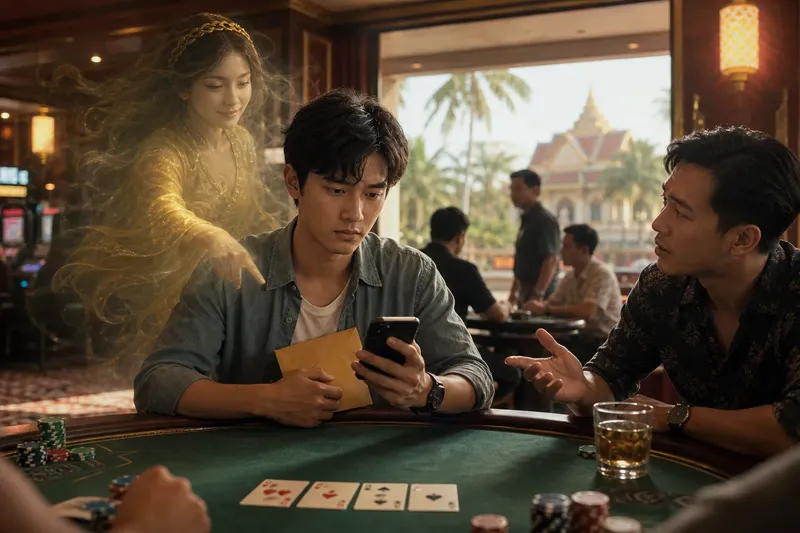
How can personified luck make a casino story in Trà Vinh feel rooted in local storytelling without speaking for the whole community? Give Luck a voice that belongs to one character’s imagination, then let the surrounding language and setting show how other people interpret the same image.
Personification gives human qualities to an idea or object. Luck might whisper, hesitate, or leave a room. In fiction, those actions can express a character’s belief; they do not need to predict what happens in a game.
Local storytelling depends on distinct voices
A casino-themed story set in Trà Vinh should not treat the province as a single viewpoint. People can share a place and still disagree about luck, gambling, or the stories told around them. One character might use Luck as a joke, another might take the figure seriously, and someone else might find the whole idea tiresome.
Build those differences through speech and response rather than broad claims about local tradition. A character’s chosen words, pauses, teasing, or refusal to join a conversation can establish an individual voice. If a story uses a local expression or a language besides English, confirm its meaning and natural use with a knowledgeable speaker instead of guessing.
Public language can make Luck feel present
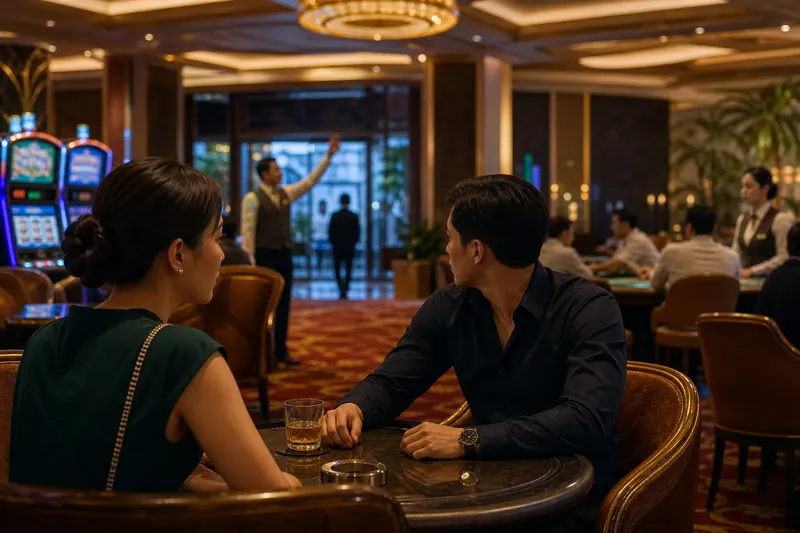
Casino culture includes more than games. A character may encounter luck-themed phrases in conversation, hear someone describe a winning streak, or see a decorative image in a fictional venue. These details can show how people talk about chance without presenting a belief as fact.
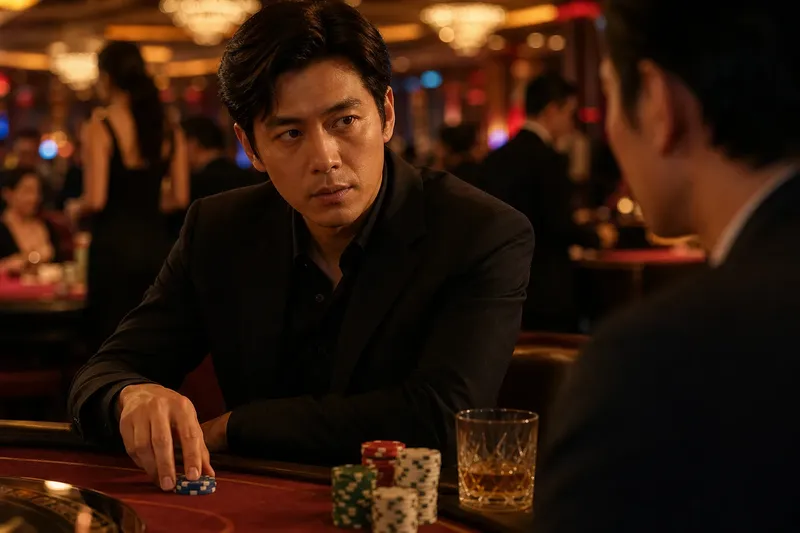
Keep each phrase attached to its speaker. “The table is due,” for instance, can reveal a character’s confidence, anxiety, or attempt to sound in control. Another person might answer with a shrug or change the subject. That contrast lets the reader hear competing attitudes instead of receiving a lesson about what everyone supposedly believes.
Let the setting add texture without becoming a stereotype
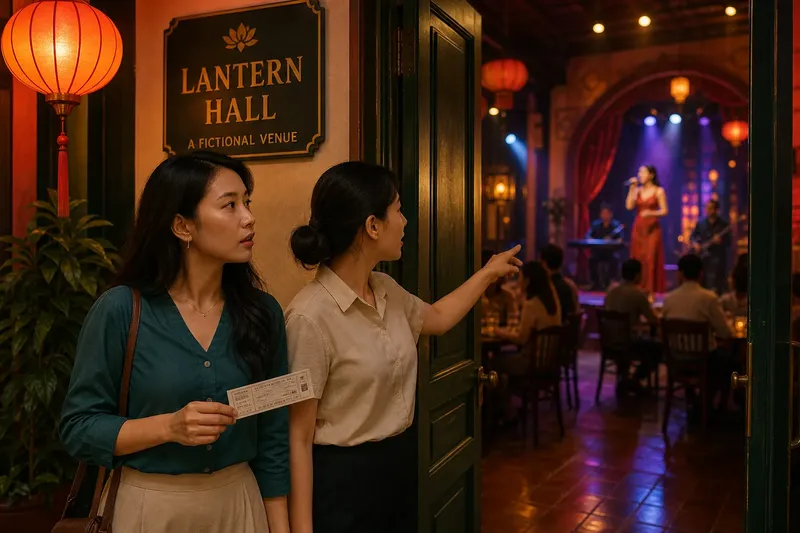
Choose details that belong to the particular scene: a message arriving during a conversation, a friend waiting near the entrance, or a character noticing the time. Avoid using Trà Vinh as shorthand for an assumed attitude toward gambling. The setting becomes more convincing when characters have individual reasons to be there and relationships that matter beyond the casino theme.
Personified Luck can also be clearly subjective. “Minh thought Luck had noticed him” places the image inside his perception. “Luck had chosen Minh, so he would recover the fare money” turns the thought into an apparent promise. Unless the story establishes a supernatural world, keep the distinction visible.
What should a writer check before using personified luck?
How is personified luck different from a lucky charm?
Personified luck behaves like a character, perhaps speaking or walking away. A lucky charm is an object a character associates with good fortune; either can convey belief without deciding the story’s outcome.
Can a character believe luck is guiding a choice?
Yes. The belief can show a desire for reassurance or control. Keep it within that character’s perspective unless the story deliberately establishes that Luck acts independently.
How can dialogue show different views?
Give speakers distinct reactions to the same phrase or image. One may treat it as a joke, while another falls quiet; those responses suggest difference without claiming to represent a whole community.
What details are not worth the effort?
Explaining every game rule is unnecessary if the scene concerns conversation or a relationship. Use only the rules a reader needs to understand what a character says or does.
A worked scene can test the voice and setting
Imagine an invented scene with Minh, his sister’s message, and a small envelope containing the bus fare he had set aside for her. He wants to meet her at the agreed stop, but he is tempted to stay at a card table and hopes a win will restore money he previously lost. His friend notices the message and asks whether he is still coming; Minh imagines Luck pointing toward the cards.
Minh reads the message again, puts the envelope in his pocket, and leaves the room to meet his sister. At the stop, he tells her he cannot bring the fare money. The observable result is that he keeps the appointment but must explain the missing money; Luck’s gesture remains his private image, not a promise about the game. A writer can use this kind of scene to distinguish personal belief from public language while letting Trà Vinh remain a lived setting, not a claim about how everyone thinks.